Doors and windows rubbing or sticking.
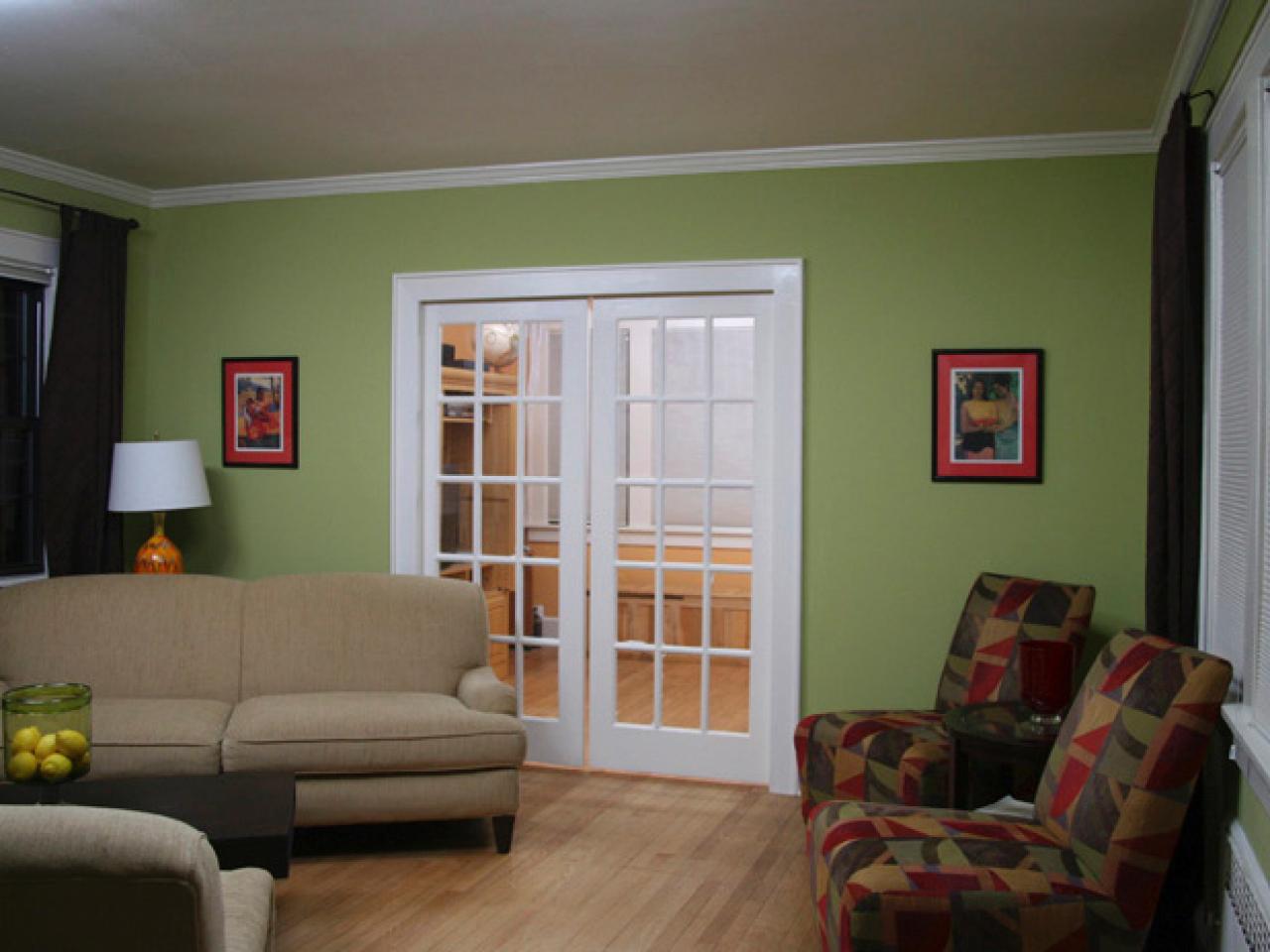
Putting french doors in a load bearing wall.
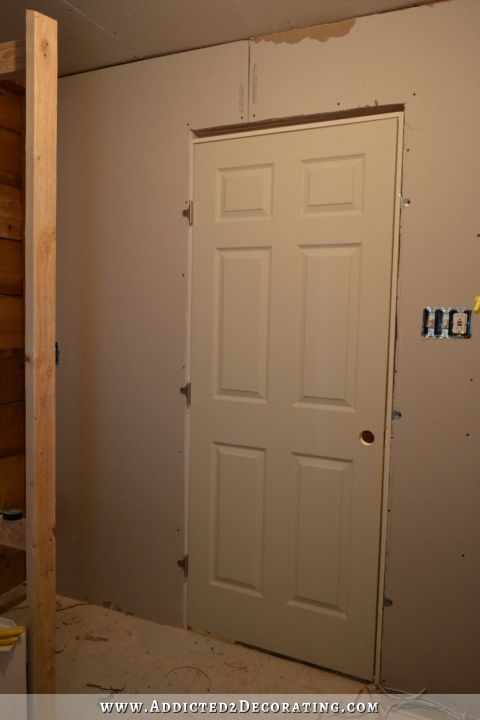
On a simple passage door in a non loadbearing wall a header made from a pair of 2 x 4s installed on edge is usually sufficient while a typical double patio door in a non load bearing wall might require a 4 x 6 header or a 4 x 8 header.
The reason why this project is so difficult is due to the potential danger a load bearing wall supports the structure so its absence through accidental destruction could lead to the room or entire house collapsing.
Build the temporary load bearing wall by cutting a bottom and top wall plate from the stud material then cutting two end studs.
Before you start cutting studs make sure that the wall in which the new french doors are being hung or any of the studs that you are removing are not load bearing.
If a load bearing wall has been removed on the first floor without proper support installed for the load above it.
Measure 3 feet away from the existing wall on each end and mark the location and pop a chalk line.
Remember to lay the header into the space between the existing wall and the temporary wall.
If the wall is load bearing a temporary wall will need to built using 2x8 plates on the floor and ceiling and 2x4 studs at an angle to support any weight from the floors above.
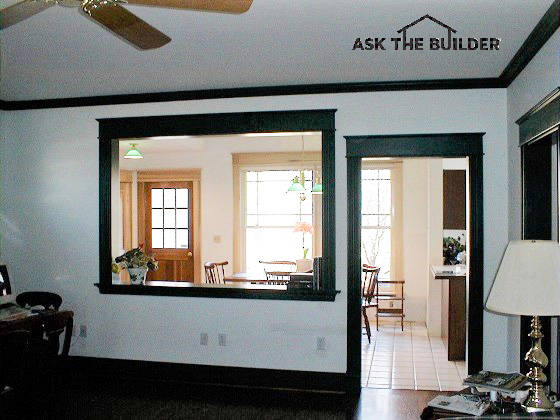
I provide my plans to install a pass through window on a load bearing wall after discovering hardware for a pocket door spanned into the window location.
However if you know where to cut into the wall the project is quite.
Get a building permit two or three weeks in advance of beginning the project.
If in doubt consult a structural engineer.
Lay down the bottom plate.
Then the doors or windows on the floor above it may rub stick or not open because the framing in the wall that the door or window is in may have shifted.
Inserting a door or window in a load bearing wall can be a tricky situation but not an impossible one.